





Cryptocurrency has changed the way people think about money. It’s fast, decentralized, and gives users full control over their funds. Sounds great, right? Well, there’s a catch. With great freedom comes great responsibility. If you don’t protect your digital assets properly, hackers might find a way in. Crypto theft has become a serious issue in recent years. Hackers are always looking for weak points—exchanges, wallets, passwords, or even simple user mistakes. The good news? A few smart habits can go a long way in keeping your cryptocurrency safe. Let’s break it down.
Use a Secure Crypto Wallet
First things first—your wallet matters more than you might think. A cryptocurrency wallet stores the private keys that give access to your funds. If someone gets those keys, your crypto could be gone in seconds.
There are two main types of wallets: hot wallets and cold wallets. Hot wallets are connected to the internet, which makes them convenient but slightly riskier. Cold wallets, on the other hand, stay offline and are much harder for hackers to reach.
If you’re holding a large amount of cryptocurrency, a hardware wallet is often the safest option. It keeps your private keys offline and adds an extra layer of protection.
Enable Two-Factor Authentication (2FA)
Passwords alone aren’t enough anymore. Hackers use advanced techniques like phishing and password cracking to break into accounts.
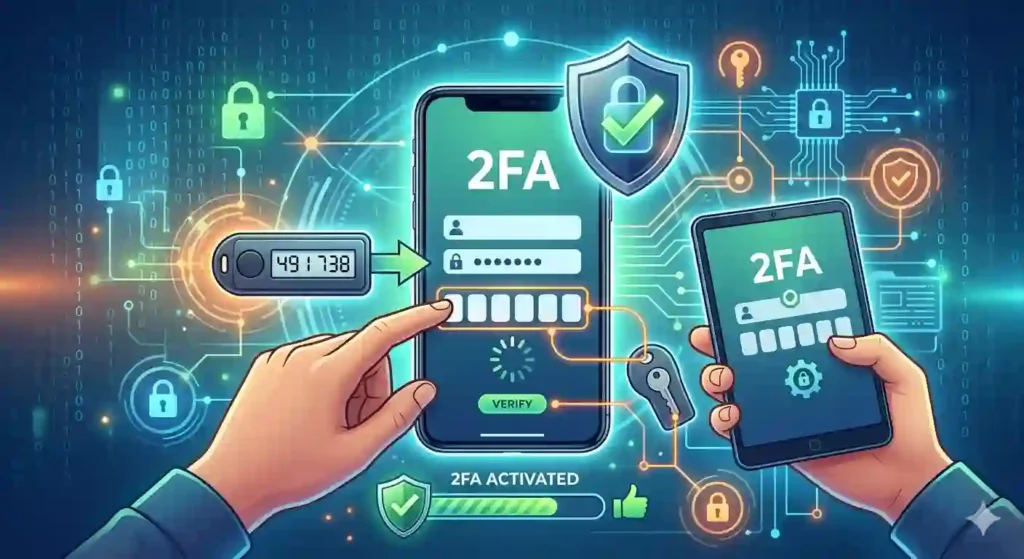
That’s where two-factor authentication comes in. With 2FA enabled, you’ll need a second verification step—usually a code from an authentication app or a device.
Even if someone guesses your password, they still won’t be able to access your account without that extra code. It’s a simple step, but it dramatically increases security.
Protect Your Private Keys
In the world of cryptocurrency, private keys are everything. They’re basically the digital keys that unlock your funds. If someone else gets access to them, they control your crypto.
So here’s the golden rule: never share your private keys with anyone.
Avoid storing them in emails, cloud storage, or random text files on your computer. Instead, keep them in a secure location, like a hardware wallet or a carefully stored offline backup.
Many crypto experts also recommend writing your recovery phrase on paper and storing it somewhere safe. Old-school? Sure. But surprisingly effective.
Beware of Phishing Attacks
Phishing scams are one of the most common ways hackers steal cryptocurrency. These scams usually involve fake emails, websites, or messages designed to trick you into giving away sensitive information.
For example, you might receive an email that looks like it’s from a crypto exchange. It asks you to log in to fix a “security issue.” But the link leads to a fake website that steals your login details.
Before clicking anything, double-check the URL. If something feels off, trust your instincts and avoid it.
A good habit is to bookmark official websites and always use those links instead of clicking random ones.
Use Strong and Unique Passwords
Let’s be honest—many people still use simple passwords. Things like “123456” or “password123” might be easy to remember, but they’re also easy to crack.
When dealing with cryptocurrency accounts, strong passwords are essential.
A good password should include a mix of letters, numbers, and special characters. More importantly, it should be unique. Don’t reuse the same password across multiple platforms.
If remembering complex passwords feels overwhelming, a password manager can help keep everything organized and secure.
Keep Your Devices Secure
Your smartphone and computer are gateways to your crypto accounts. If those devices get infected with malware, hackers might gain access to sensitive data.
Start with the basics. Install trusted antivirus software and keep your operating system updated. Security updates often fix vulnerabilities that hackers try to exploit.
Also, avoid downloading software from unknown sources. That “free” program might come with hidden malware designed to steal your data.
Using a secure internet connection is equally important. Public Wi-Fi networks, like those in cafés or airports, can sometimes expose your information to attackers.
Don’t Store All Crypto on Exchanges
Crypto exchanges are convenient for trading, but they aren’t always the safest place to store large amounts of cryptocurrency.
History has shown that exchanges can be hacked. When that happens, users sometimes lose their funds.
A common strategy among experienced crypto users is simple: only keep what you need for trading on exchanges. Move the rest to a personal wallet that you control.
This approach reduces the risk of losing everything if an exchange experiences a security breach.
Stay Updated on Cryptocurrency Safe Security
The crypto world moves fast. New technologies emerge, but so do new cryptocurrency safe hacking techniques.
Staying informed is one of the best ways to protect your investments. Follow trusted crypto news sources and learn about common scams and security practices.
When you understand how hackers operate, you’re less likely to fall for their tricks.
Final Thoughts
Keeping your cryptocurrency safe from hackers isn’t complicated, but it does require awareness and a few smart habits. Think of it like locking the doors and windows of your digital house.
Using secure wallets, enabling two-factor authentication, protecting private keys, and avoiding phishing scams can significantly reduce the risk of theft.
Crypto offers incredible opportunities, but security should always come first. After all, once stolen, cryptocurrency is often impossible to recover. For more research and studies related to cryptocurruncies visit https://voltizio.com/ regularly.